← Back to All Blogs
Production · 10 min read · Updated Aug 9, 2026
Production Planning and Control: A Guide for Indian Manufacturers

TL;DR: Production planning and control (PPC) is how manufacturers decide what to produce, when, and with what resources, then keep execution on track once the shop floor takes over. Done well, it turns delivery dates into promises you can keep, not guesses.
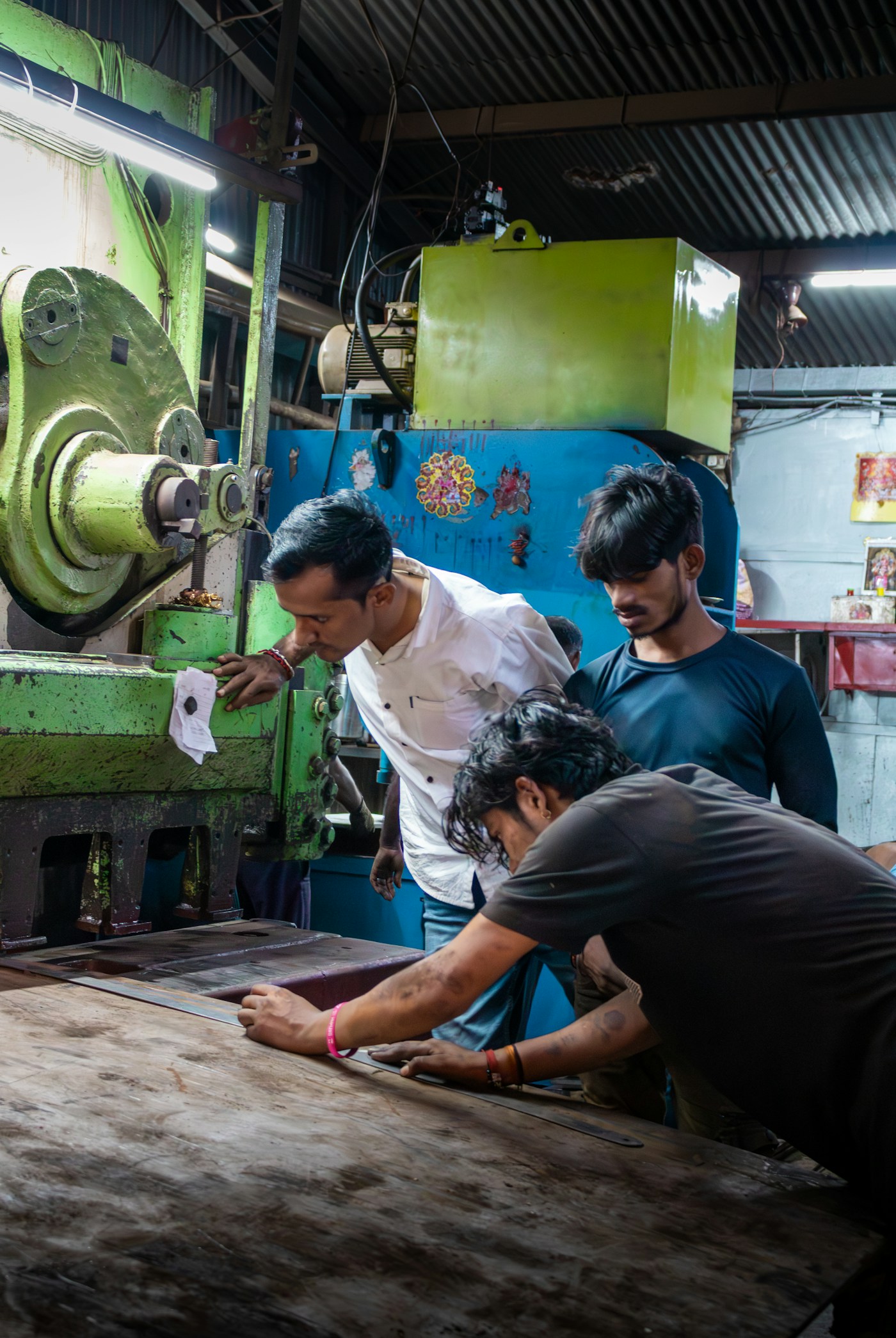
It’s 7 PM on a Friday. The dispatch team is chasing a work order that was supposed to leave two days ago, the supervisor is flipping through a production register to find which machine it’s stuck on, and someone in a WhatsApp group is asking why tomorrow’s raw material hasn’t arrived. That’s not unusual, it’s Tuesday for most SME manufacturers in India, just with the day changed.
The gap between factories that hit delivery dates and factories that don’t usually isn’t equipment or headcount. It’s whether production is planned in advance and controlled once it starts, or whether every day is a fresh improvisation.
What Is Production Planning and Control (PPC)?
Production planning and control is the system used to plan production in advance and continuously control execution on the shop floor.
It ensures the right quantity is produced at the right time using available resources, without delays or excess costs.
Production Planning
Production planning decides how products will be manufactured before a single machine starts running: what should be produced, when, and how. It means lining up demand forecasts, capacity, material availability, and delivery commitments before committing the shop floor.
Production Control
Production control is what happens after the plan meets reality. It tracks shop floor progress, flags deviations, and forces corrective action when delays, shortages, or quality issues show up. Planning decides the path. Control keeps the factory on it.
Why It Matters More for Indian Manufacturers
For Indian SME manufacturers running on tighter margins and timelines, PPC is the difference between growing and stalling:
OEM and export delivery penalties. A missed date to an automotive or electronics OEM puts the vendor rating at risk, not just the order.
GST and e-way bill deadlines. Production delays cascade into dispatch delays, which collide with compliance windows.
Seasonal labour turnover. Factories often lose staff after festivals or harvest season, and unplanned production has no buffer for it.
Machine breakdown chains. One machine going down without a contingency plan creates five delays, not one, since downstream operations assumed it would run.
Coordination living in one person’s head. PPC turns tribal knowledge into a system the business doesn’t lose when that person is on leave.

Why Registers and Spreadsheets Break Down at Scale
Most Indian SME manufacturers already have a PPC process, it just lives across a production register, a few Excel sheets, and whoever answers the phone fastest. That works up to a point.
Past a certain order volume, the cracks show up as missed updates, material shortages discovered on the shop floor instead of before production starts, and a supervisor who’s the only one who knows what’s happening right now. The fix isn’t more discipline, it’s a system where the plan and the shop floor stay connected automatically.
Objectives of Production Planning and Control
Optimal utilization of machines, labour, and raw materials
Maintaining the right inventory levels, not too much, not too little
Matching capacity with demand instead of guessing at either
Reducing machine idle time and setup losses
Coordinating sales, production, and procurement
Improving delivery reliability, which is what keeps customers coming back
Phases of Production Planning and Control
PPC runs through seven phases. Skipping one is usually where the “why is this order late” conversations start:
Planning: Define operations, process sequence, and required resources.
Time Planning: Estimate how long each operation and machine will actually take.
Loading: Allocate work based on real capacity, not paper capacity.
Production: Release production orders and begin execution.
Follow-up: Monitor progress and catch bottlenecks while they’re small.
Inspection: Check quality against defined standards.
Correction: Fix deviations and feed them back into the next cycle.
Functions of Production Planning and Control
Forecasting: Align production with future demand.
Scheduling: Ensure timely completion of operations.
Routing: Optimize process flow and reduce bottlenecks.
Make-or-Buy Decisions: Decide what to manufacture versus outsource.
Requirements Planning: Ensure materials are available when needed.
Material Control: Minimize waste and control costs.
Still tracking work orders on a whiteboard, a register, and three WhatsApp groups?
TranZact’s production management software gives every order a single live status, from BOM to dispatch, so planning and shop floor reality finally match.
See your live order status →
Benefits for Indian SMEs
Fewer stoppages and uninterrupted production
Lower production and inventory costs
Better on-time delivery, which protects OEM and export relationships
Less idle time and material wastage
Higher output from the same machines and headcount
For SME manufacturers on thin margins, these are the difference between a good quarter and a break-even one.
Types of Production Processes
Job, batch, and mass production suit different order profiles. See the full batch vs. mass production comparison for a deeper look.
Criteria
Job Production
Batch Production
Mass Production
Order type
Customized, low-volume
Grouped batches
High-volume, continuous
Flexibility
Highest
Moderate
Lowest
Setup cost
High per unit
Balanced
Low per unit
Best for
One-off or custom orders
Mid-volume SKUs
Auto components, FMCG-adjacent
Production Planning and Control with TranZact
TranZact helps Indian SME manufacturers move from reactive, register-based production to planned execution that’s visible to everyone. By connecting BOMs, MRP, and production tracking to your actual inventory and purchase data, teams always know what’s planned, in progress, and needs attention, so delivery dates become commitments, not hopes.
FAQs
What is the difference between production planning and production control?
Production planning decides what, when, and how to produce. Production control ensures execution happens as planned by monitoring progress and correcting deviations.
What are the seven stages of production planning and control?
Planning, time planning, loading, production, follow-up, inspection, and correction.
What are the key functions of production planning and control?
Forecasting, scheduling, routing, make-or-buy decisions, requirements planning, and material control.
What are the types of production processes?
Job production, batch production, and mass production, depending on order volume and customization.
How does software help with production planning and control?
Software like TranZact replaces manual registers and spreadsheets with real-time visibility into BOMs, work orders, and shop floor status.
Check out other blogs
Types of Production Planning
9 min read
Compare job, batch, mass, and flow production planning to pick the right method for your factory.
Read More

Production Management
13 min read
What a production management system does, and why Indian SME manufacturers need one.
Read More

Batch Production vs. Mass Production
5 min read
Compare batch and mass production methods to choose the right fit for your factory.
Read More

Born in India. Building for the world.
Built by IIT & IIM founders