Our Latest Posts

Assemble to Order (ATO): How It Works and When to Use It
4 min read
Assemble to order (ATO): stock components, assemble after the order confirms the variant. How it works, ATO vs make-to-stock, and what software to check.
Read More

Batch Production vs Mass Production: Which Fits Your Factory
5 min read
Batch production makes set lots and changes over between them. Mass production runs one standard item nonstop. See which fits your demand.
Read More

What Is an Inventory Adjustment? Types, Process and Examples
5 min read
An inventory adjustment corrects system stock to match physical stock. Learn the three types, the steps to make one, and how to stop repeat gaps.
Read More

Inventory Records: Manual vs Software for Manufacturers
5 min read
Inventory records hold item ID, quantity on hand, location, reorder point and lead time. Compare manual and software records, and what to check.
Read More

Best ERP Software for Printing and Packaging: Buying Guide
5 min read
The best ERP for printing and packaging manufacturers handles job-level costing and multi-material batch tracking. What to check before you buy.
Read More

Capacity Requirements Planning (CRP): How It Works
5 min read
Capacity Requirements Planning (CRP) checks if your machine and labor hours can meet the production schedule. How it works, plus a capacity check.
Read More

Inventory to Sales Ratio: Formula and How to Read It
5 min read
Inventory to sales ratio = average inventory ÷ net sales. Get the formula, how to read it, mistakes to avoid and how to keep stock live.
Read More

Consignment Inventory: How It Works, Pros and Cons
5 min read
Consignment inventory is stock a supplier places at a retailer’s or distributor’s location while retaining ownership until it sells.
Read More

How to Move From Paper to Digital Documents in Your Factory
5 min read
How Indian manufacturers can move POs, invoices and GRNs from paper to digital records, what to digitise first, and where TranZact fits.
Read More

Stock Discrepancy: Why Physical and System Stock Differ
6 min read
A stock discrepancy is any gap between what your inventory system records and what is physically on the shelf.
Read More

Production Costs: Direct vs Indirect and How to Calculate
5 min read
Production costs are raw material, direct labour and overhead. See direct vs indirect costs and how to calculate cost per unit, step by step.
Read More

Inventory Write-Down vs Write-Off: What's the Difference
5 min read
A write-down lowers stock's book value; a write-off takes it to zero. When to use each, how to record it, and how to spot slow stock early.
Read More

Job Order Production vs Batch Production: Key Differences
6 min read
Job order production manufactures a unique product to one customer’s specifications, tracked and costed as a single job from start to finish.
Read More

Cost Center Definition: How It Works and Example
4 min read
Learn what a cost center is, how it works in business accounting, and why it matters for Indian SME manufacturers.
Read More

Production Planning System: Meaning, Objectives & Where It Breaks
5 min read
A production planning system turns sales orders and BOMs into a schedule. See what it does, where planning breaks, and where TranZact fits.
Read More

Computerized Inventory System: Advantages and Disadvantages
5 min read
A computerized inventory system tracks stock in real time instead of paper registers. See its advantages, risks, and what to check before you buy.
Read More

Opening vs Closing Stock: Meaning, Formula & Key Differences
5 min read
Opening stock is inventory at the start of a period; closing stock is what's left at the end. Formulas, examples, and how to keep both accurate.
Read More

The Impact of ICT in Manufacturing for Small Businesses
5 min read
ICT in manufacturing means running stock, orders and production on software, not paper. See its impact on small manufacturers and how to adopt it.
Read More

Material Handling: Methods, Costs and Common Mistakes
5 min read
Material handling covers how materials move and are stored from receiving to dispatch. Compare manual vs mechanized methods and see how to track stock.
Read More

Digital Documentation: 5 Key Benefits for SME Manufacturers
5 min read
Digital documentation gives SME manufacturers faster access, safer records and audit-ready files. See the 5 benefits and how to move off paper.
Read More

Cycle Time: Definition, Formula and How to Reduce It
6 min read
Cycle time is the total time it takes to complete one unit of work or one full production cycle, from start to finish.
Read More

B2B Inventory Management: A Practical Guide for Indian SMEs
5 min read
How Indian manufacturers can manage bulk, credit-based B2B stock: key challenges, setup steps, what to check in software, and how TranZact helps.
Read More

What Is Process Costing and Why It's Important
4 min read
Process costing helps Indian manufacturers calculate average unit cost in continuous production environments with uniform output and high volumes.
Read More

What Is Incremental Cost? Definition, Formula and Example
5 min read
Incremental cost is the added cost of making extra units. See the formula, a worked example, and how to check whether a bulk order really pays.
Read More

Sundry Debtors: Meaning, Ageing and Tracking
5 min read
Sundry debtors are customers who owe you for goods already delivered. Learn how to age dues from 0 to 90+ days and track them in a manufacturing SME.
Read More

Advantages and Disadvantages of GST for Manufacturers
6 min read
GST replaced excise, VAT, CST and entry tax with one tax. It allows input tax credit across the supply chain. Here are the pros and cons for manufacturers.
Read More

7 Factors to Consider When Choosing Inventory Software
6 min read
The 7 factors that decide if inventory software works for an Indian manufacturer: real cost, BOM fit, shop-floor adoption, Tally sync, support and data.
Read More
25 Best Manufacturing Business Ideas to Start in India
21 min read
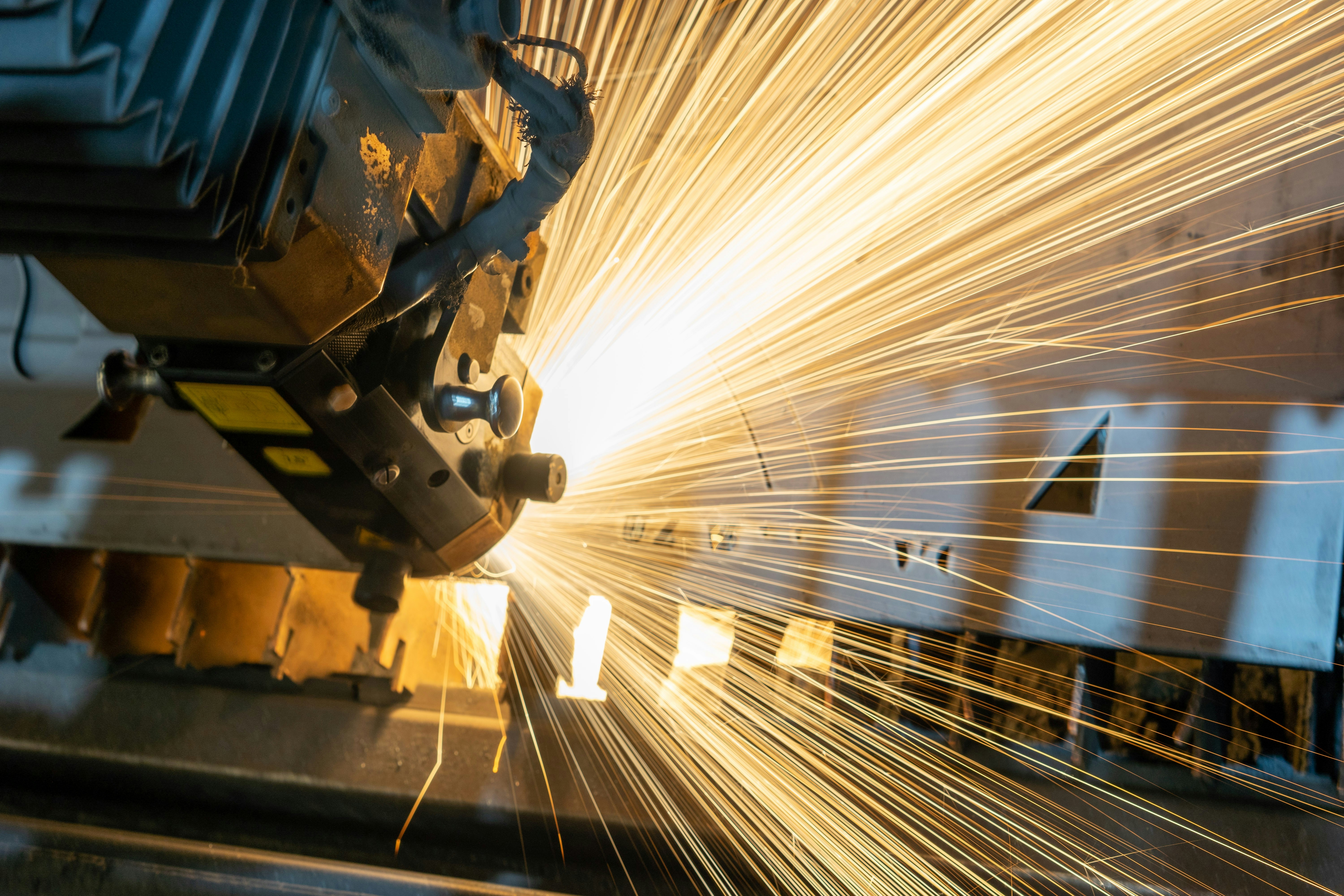
Starting a manufacturing business in India offers numerous opportunities across various sectors such as automobile parts, eco-friendly packaging, and food production. Key ideas include manufacturing kitchen utensils, snacks, medical supplies, and personal care products, all benefiting from strong domestic demand and export potential. The sector is supported by government policies and growing consumer trends towards sustainability and health. Entrepreneurs should consider capital requirements, market demand, and operational efficiency to succeed in this expanding landscape.
Read More

What Is Minimum Order Quantity (MOQ)? MOQ vs EOQ Explained
6 min read
Minimum Order Quantity (MOQ) is the smallest number of units a supplier will sell in one order to stay profitable.
Read More

6 Key ERP Implementation Challenges and How to Avoid Them
6 min read
ERP rollouts at Indian SME manufacturers fail on data, adoption and ownership, not features. The 6 challenges, how to avoid each, and what to check.
Read More

Demand Management: Functions, Process, and Examples
3 min read
A practical guide for Indian manufacturers to understand demand management, improve forecasting, control inventory, and align production with real market demand.
Read More

ERP Implementation Strategy: Phases and Common Mistakes
5 min read
An ERP implementation strategy is the sequence you follow to roll out a new system: discovery, data migration, training, and go-live.
Read More

Manufacturing vs Production: What Is the Real Difference?
4 min read
Manufacturing is the physical conversion of raw materials into goods. Production is the wider process: planning, sourcing, making and delivery.
Read More

Prime Costs vs. Conversion Costs: What’s the Difference
8 min read
Understand the difference between prime cost and conversion cost with formulas, examples, and practical accounting use cases for Indian SME manufacturers.
Read More

What Are the Most Common Inventory Control Models?
5 min read
Inventory control models are systematic methods, like EOQ, ABC analysis, and Min-Max, that tell you how much stock to order and when.
Read More

What Is Product Lifecycle Management (PLM)?
5 min read
Product lifecycle management (PLM) explained: the stages from design to decline, and how each one should change your stock, BOMs and batch sizes.
Read More

Inventory Planning and Control: Definition & Best Practices
5 min read
Inventory planning and control: how manufacturers set stock targets, reorder points and ageing checks, and what to look for in software that tracks it.
Read More

Intermediate Goods: Definition, Examples & Why They Matter
5 min read
Intermediate goods are inputs processed into another product before sale. See examples, how they differ from finished goods, and how to track them.
Read More

Intermittent Production: Definition, Methods & Examples
4 min read
Intermittent production runs different products on the same machines in small batches or custom orders. See types, pros, cons and how to track each job.
Read More
What Is Aggregate Planning?: Strategies and Tips
6 min read
Learn about the importance, strategies, and best practices in aggregate planning to optimize production and inventory management.
Read More
Our Latest Posts
Assemble to Order (ATO): How It Works and When to Use It
4 min read
Assemble to order (ATO): stock components, assemble after the order confirms the variant. How it works, ATO vs make-to-stock, and what software to check.
Read More
Batch Production vs Mass Production: Which Fits Your Factory
5 min read
Batch production makes set lots and changes over between them. Mass production runs one standard item nonstop. See which fits your demand.
Read More
What Is an Inventory Adjustment? Types, Process and Examples
5 min read
An inventory adjustment corrects system stock to match physical stock. Learn the three types, the steps to make one, and how to stop repeat gaps.
Read More
Inventory Records: Manual vs Software for Manufacturers
5 min read
Inventory records hold item ID, quantity on hand, location, reorder point and lead time. Compare manual and software records, and what to check.
Read More
Best ERP Software for Printing and Packaging: Buying Guide
5 min read
The best ERP for printing and packaging manufacturers handles job-level costing and multi-material batch tracking. What to check before you buy.
Read More
Capacity Requirements Planning (CRP): How It Works
5 min read
Capacity Requirements Planning (CRP) checks if your machine and labor hours can meet the production schedule. How it works, plus a capacity check.
Read More
Inventory to Sales Ratio: Formula and How to Read It
5 min read
Inventory to sales ratio = average inventory ÷ net sales. Get the formula, how to read it, mistakes to avoid and how to keep stock live.
Read More
Consignment Inventory: How It Works, Pros and Cons
5 min read
Consignment inventory is stock a supplier places at a retailer’s or distributor’s location while retaining ownership until it sells.
Read More
How to Move From Paper to Digital Documents in Your Factory
5 min read
How Indian manufacturers can move POs, invoices and GRNs from paper to digital records, what to digitise first, and where TranZact fits.
Read More
Stock Discrepancy: Why Physical and System Stock Differ
6 min read
A stock discrepancy is any gap between what your inventory system records and what is physically on the shelf.
Read More
Production Costs: Direct vs Indirect and How to Calculate
5 min read
Production costs are raw material, direct labour and overhead. See direct vs indirect costs and how to calculate cost per unit, step by step.
Read More
Inventory Write-Down vs Write-Off: What's the Difference
5 min read
A write-down lowers stock's book value; a write-off takes it to zero. When to use each, how to record it, and how to spot slow stock early.
Read More
Job Order Production vs Batch Production: Key Differences
6 min read
Job order production manufactures a unique product to one customer’s specifications, tracked and costed as a single job from start to finish.
Read More
Cost Center Definition: How It Works and Example
4 min read
Learn what a cost center is, how it works in business accounting, and why it matters for Indian SME manufacturers.
Read More
Production Planning System: Meaning, Objectives & Where It Breaks
5 min read
A production planning system turns sales orders and BOMs into a schedule. See what it does, where planning breaks, and where TranZact fits.
Read More
Computerized Inventory System: Advantages and Disadvantages
5 min read
A computerized inventory system tracks stock in real time instead of paper registers. See its advantages, risks, and what to check before you buy.
Read More
Opening vs Closing Stock: Meaning, Formula & Key Differences
5 min read
Opening stock is inventory at the start of a period; closing stock is what's left at the end. Formulas, examples, and how to keep both accurate.
Read More
The Impact of ICT in Manufacturing for Small Businesses
5 min read
ICT in manufacturing means running stock, orders and production on software, not paper. See its impact on small manufacturers and how to adopt it.
Read More
Material Handling: Methods, Costs and Common Mistakes
5 min read
Material handling covers how materials move and are stored from receiving to dispatch. Compare manual vs mechanized methods and see how to track stock.
Read More
Digital Documentation: 5 Key Benefits for SME Manufacturers
5 min read
Digital documentation gives SME manufacturers faster access, safer records and audit-ready files. See the 5 benefits and how to move off paper.
Read More

Born in India. Building for the world.
Built by IIT & IIM founders
Born in India. Building for the world.
Built by IIT & IIM founders
Born in India. Building for the world.
Built by IIT & IIM founders
